
How Veterinarians Use Ultraviolet Light to Diagnose & Treat Pets
Posted by Nick on for ProLampSales
The veterinary service industry in the USA is a large market, with pet owners spending $38.3 billion in 2023 alone for animal care and related products. There are over 100,000 veterinarians in the USA, and more support staff.
While veterinarians use a variety of tools and methodologies in diagnosing and treating animal conditions, ultraviolet light plays an important role.
UV lighting has several applications in the veterinary field, primarily for disinfection of air and surfaces, diagnosis of conditions, and treatment.
Disinfection and Sterilization
UVC germicidal lights (100–280 nm) can be used to kill or inactivate bacteria, viruses, and fungi in veterinary clinics, hospitals, and animal housing.
For surface sterilization, UVC bulbs can be used in handheld fixtures or overhead fixtures to disinfect surgical tools, cages, examination tables, floors, and any surfaces in a room. Germicidal fixtures can be run in examination rooms, operating rooms, and lobbies, especially after hours or between procedures.
UVC can also be used in building HVAC systems to reduce airborne pathogens. This can help prevent cross-contamination and spreading of disease through the air handling unit (AHU) of a clinic or animal hospital.
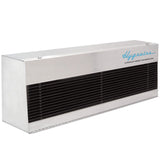
In common areas like lobbies, upper air UVC units can be used while the rooms are occupied. These units direct UV light upwards towards the ceiling and take advantage of the natural convection of air as it rises and falls.
Some facilities also use UV water purification to sterilize drinking water for animals, as well as water used throughout the veterinary practice. Either point-of-use or point-of-entry units can be installed, depending on the specific needs.
Forensic and Diagnostic Applications
The Wood's Lamp (UVA, ~365 nm) has long been used for the detection of fluorescence on a patient. The ultraviolet light helps to detect ringworm (dermatophytosis), and some fungal species (Microsporum canis, etc.) fluoresce under UVA light.
Additionally, UVA bulbs can assist in identifying porphyrin pigments in urine or ear discharge (for example, in cases of bacterial infections or porphyria).
However, it should be noted that not every case of ringworm or fungal infection can be detected with UVA lamps, so this is just one tool veterinarians can utilize.
UVA light can also detect urine stains in behavioral studies or for cleaning validation.
Ultraviolet light can also help reveal scorpion venom or other fluorescent substances in toxicology cases in case an animal gets stung or bitten by an unknown source.
Therapeutic Uses
UVB light (280–315 nm) is most often used in therapeutic settings, as it is more energy-dense than UVA but not as harmful as UVC.
Broadband or narrowband UVB bulbs can be used in reptile care to promote vitamin D3 synthesis, which is essential for calcium metabolism for bearded dragons, turtles, and other animals.
UVB can also be used to treat psoriasis, eczema, and other skin conditions in animals.
Photodynamic Therapy (PDT) combines UV or visible light with photosensitizing agents to treat certain cancers or infections.
There is also some research on ultraviolet blood irradiation, specifically for animals.
Low-level UV light may aid in wound disinfection and tissue repair in chronic or infected wounds. While UVC is usually used for disinfection purposes, UVB also has germicidal efficacy.
- Posted in Ultraviolet Light
Featured Products (View All)


0 Comments